1. What is the Center of Knowledge Transfer, Industry and Community Linkages at UMT?
It is a center that promotes collaboration between UMT, industry partners, and local communities through knowledge transfer, research engagement, and capacity-building initiatives.
2. What are the main functions of the Center?
The main functions include facilitating industry partnerships, supporting community outreach, commercializing research output, and coordinating knowledge transfer programs.
3. Who can collaborate with the Center?
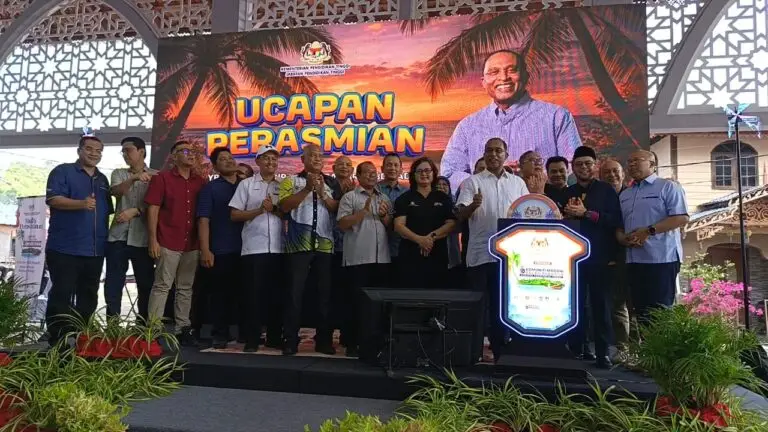
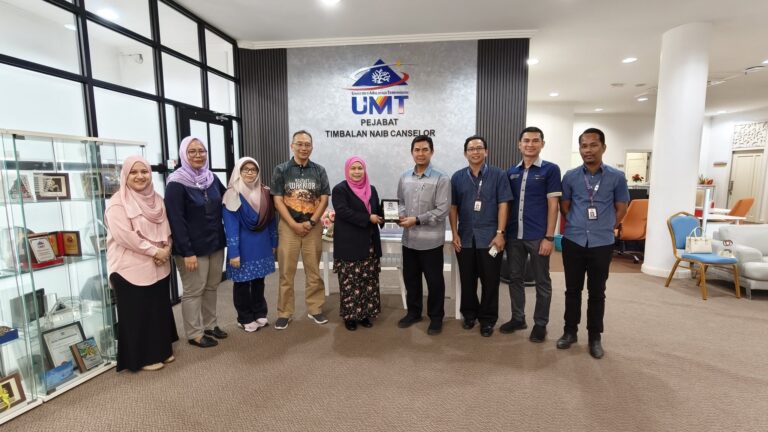
We welcome collaborations from industries, government agencies, NGOs, academic institutions, and community organizations.
4. How can industry partners benefit from the Center?
Industry partners can access expert consultancy, research solutions, student talent, training programs, and opportunities for technology adoption.
5. How does the Center support community development?
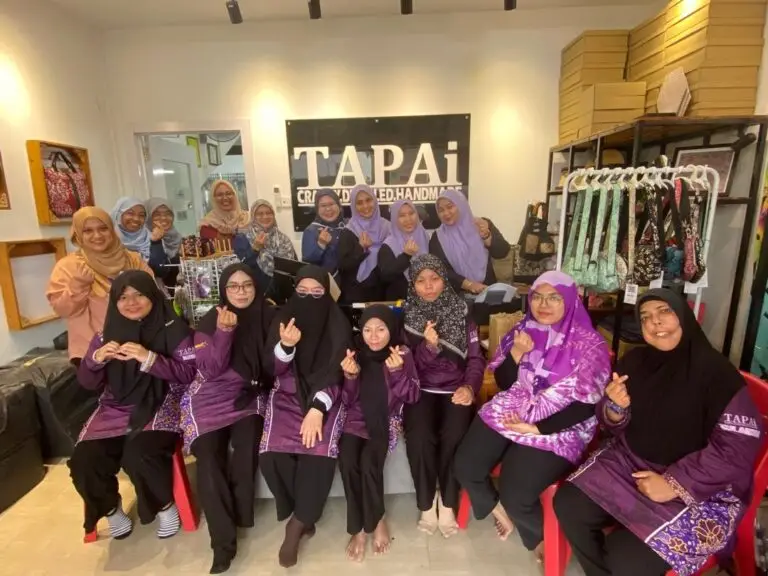
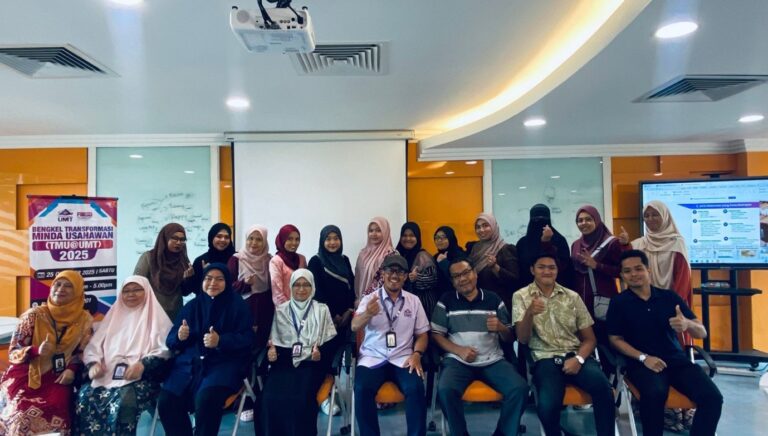
The Center organizes workshops, capacity-building programs, awareness activities, and community-based research to address local needs.
6. How can I submit a proposal for collaboration?
You may contact the Center through email, our website form, or by visiting our office. A dedicated officer will guide you through the process.
7. Does the Center support research commercialization?
Yes, the Center assists researchers in commercializing innovations, connecting with industry partners, and identifying funding opportunities.
8. Are students involved in the Center’s initiatives?
Yes, students participate through internships, community projects, research collaborations, and entrepreneurship programs.
9. How can the community access the Center’s services?
Community members may join public events, training sessions, outreach programs, or contact the Center to request support or collaboration.
10. How does the Center ensure the quality of its programs and partnerships?
We follow UMT’s governance standards, conduct continuous monitoring, and collaborate with experts to ensure high-quality and impactful programs.