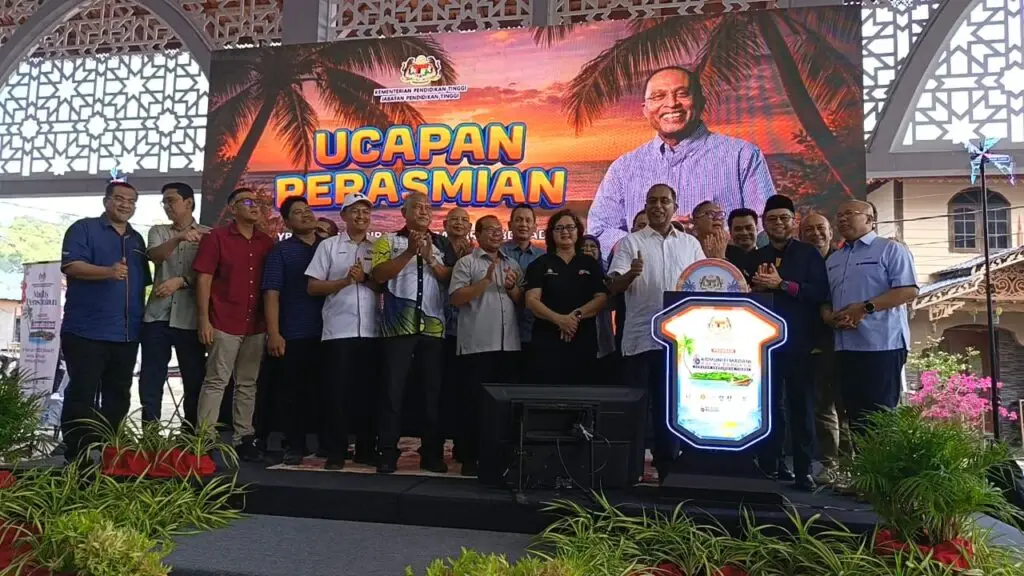
PULAU PANGKOR, Feb 8, 2026 – The Ministry of Higher Education (MOHE) has successfully implemented the MADANI Community Development Program, turning Pulau Pangkor’s natural abundance into a driver for local economic growth.
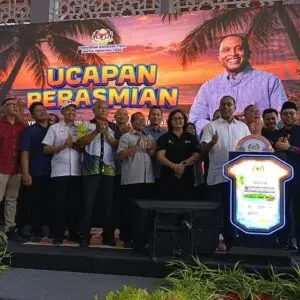
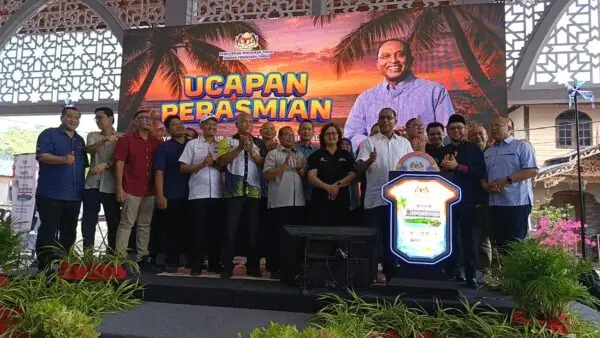
The program, led by the Department of Higher Education (JPT), focuses on empowering residents through knowledge transfer and technology from local universities. Minister of Higher Education, Datuk Seri Dr. Zambry Abd Kadir, officiated the event at the Kampung Masjid Open Arena today.
University Expertise Meets Local Industry
During his visit, Dr. Zambry highlighted that the island’s unique position as a tourism and fishing hub makes it the perfect laboratory for high-impact community projects. Five public universities were selected to mentor the community in various sustainable industries.
“Pulau Pangkor is famous for its local products. By combining university expertise with local knowledge, we can maximize the impact on the residents’ livelihoods,” said Dr. Zambry.
Key Highlights of the Program:
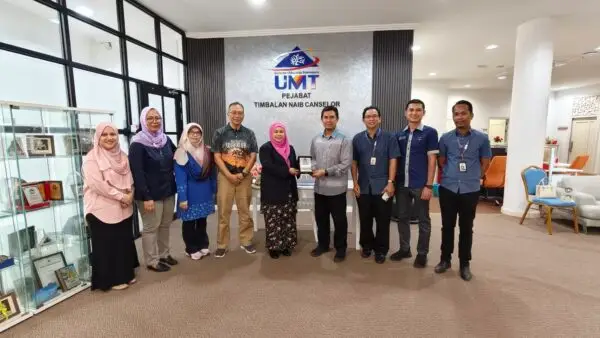
Stingless Bee Entrepreneurship: Led by Universiti Malaysia Terengganu (UMT), this project helps residents turn kelulut honey production into a thriving business.
- Culinary & Packaging Innovation (UPSI): Experts from Universiti Pendidikan Sultan Idris empowered the community with food processing and professional packaging techniques.
Smart Farming & Drying: Universiti Teknologi MARA (UiTM) introduced the “Isundryer” technology for modernized fish drying and the “I-MISTROOM”—a modular smart system for mushroom cultivation.
Sustainable Agriculture: Universiti Putra Malaysia (UPM) contributed 10 rotary composting drums, teaching residents how to convert organic waste into high-value fertilizer.
Technical Empowerment: Students from Universiti Teknologi Malaysia (UTM) provided hands-on services including motorcycle maintenance and solar panel installations for the villagers.
A Future-Forward Higher Education
The Minister emphasized that this initiative is a reflection of the Malaysia Higher Education Development Plan (RPTM) 2026–2035, which envisions universities as “economic engines” for the community rather than just ivory towers of academia.